
PRODUCT
PRODUCT
CERTIFICATION

EXHIBITIONS INFO
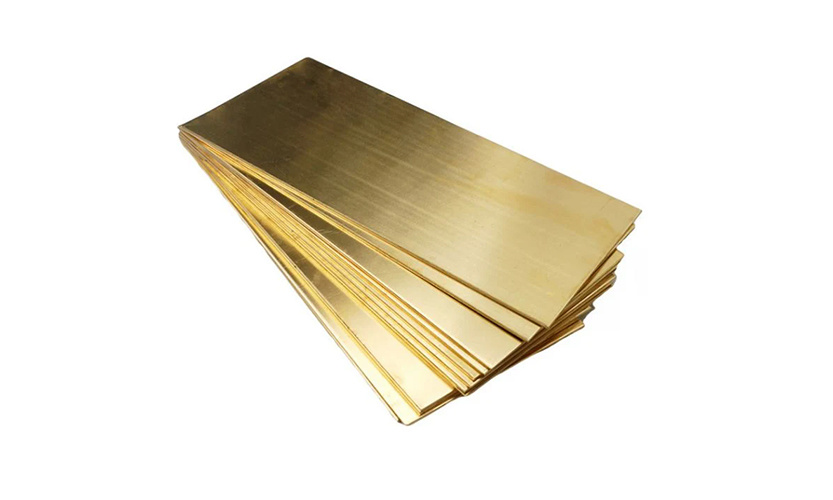
The alloy is the most common brass in sheet form. The alloy consists of the face centred cubic alpha phase, and has the optimum combination of strength and ductility in the copper-zinc series. C26000 has the distinctive clear bright yellow colour normally associated with 'brass'.
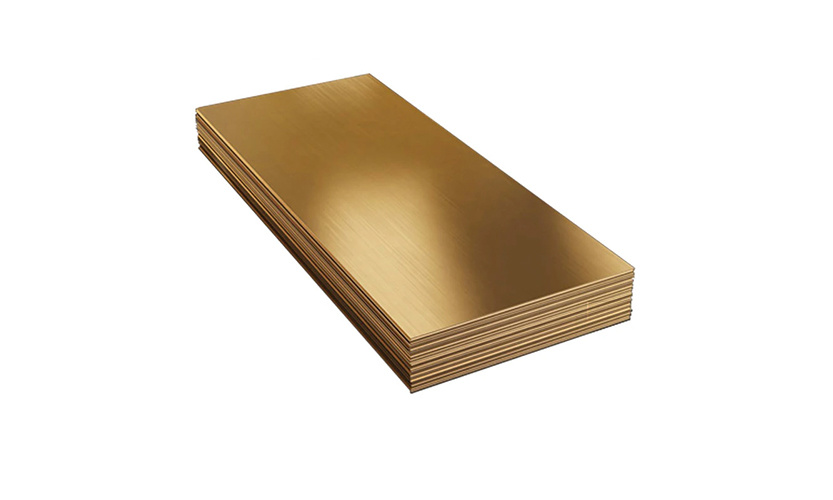
Yellow brass UNS C27000 is commonly referred to as copper-zinc brass. UNS C27000 shows excellent cold working properties which make it ideal for machining. Architects prefer brass for their shaping ability and colour. Brass is recycled efficiently and proves economical.

Tin Free Steel (TFS) is produced by applying electrolytic chromic acid treatment over steel sheets. This steel product was developed to meet economic requirements, and excels tinplate in paintability, paint adhesion, and economy. It is widely used for making beverage cans and 18-liter cans.
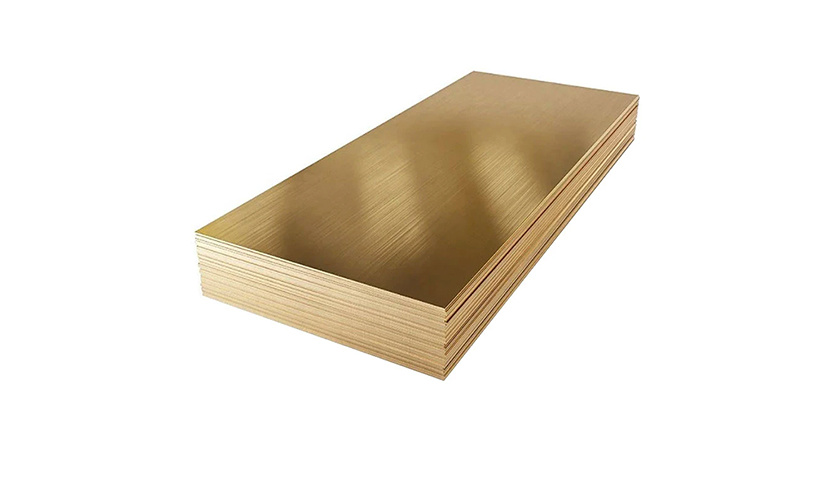
Lead increases the machinability of brass as well as increasing its strength and resistance to corrosion. The addition of lead also seals shrinkage pores to provide pressure tightness. Brasses can contain up to 3.5 percent in lead contents, and are classified as low, medium, or high-leaded.

Equal thickness tinplate is a cold-rolled tinplate with the same amount of tin plating on both sides. Tin plated sheet is made by rolling low carbon steel, followed by acid washing, cold rolling, electrolytic cleaning annealing, leveling, edge cutting processing, and then cleaning, electroplating, softening, passivation treatment, and oil coating before cutting into finished tin plated sheet metal.

Differential Thickness Tinplate Coil
Differential thickness tinplate is a cold-rolled electroplated tin plate with different tin plating amounts on both sides. Tin plated sheet is made by rolling low carbon steel, followed by acid washing, cold rolling, electrolytic cleaning annealing, leveling, edge cutting processing, and then cleaning, electroplating, softening, passivation treatment, and oil coating before cutting into finished tin plated sheet metal.

Tin Mill Black Plate (TMBP) steel is manufactured from hot rolled coils by pickling to remove the surface oxide produced during the hot rolling stage, and cold reducing through a cold mill to the desired thickness. TMBP produces a low ductility product that is usually processed further to develop desired end use characteristics.

It is the chemical properties of SPCC that differ from MR type. The Sulphur content is marginally higher as a percentage in SPCC. Using SPCC for general line and MR Type for Food.

ASTM A516 covers carbon steel coils intended primarily for service in welded pressure vessels where improved notch toughness is important. According to different strength levels, the coils are available in four grades: Grades 55, 60, 65, and 70. The most common is Grade 70 or called out A516-70.

ASTM A537 standard refers to pressure vessel coils, material in heat-treated, carbon-manganese silicon steel. Based on different strength and heat treatment, it ranges to Class 1, 2 and 3. ASTM A537 Class 1 coils are supplied in the normalised condition whilst Class 2 coils are quenched and tempered.

ASTM A572 steel coil is a popular grade of high-strength low-alloy (HSLA) steel that is typically used in structural applications. A572 steel contains chemical alloys that enhance the material’s hardness and ability to bear weight. There are five different grades of A572 steel coil: Grade 42, Grade 50, Grade 55, Grade 60 and Grade 65.

ASTM A573/A573M grades are divided into: 58, 65, 70, and the steel coils are suitable for structural grade carbon-manganese-silicon steel coils in three tensile strength ranges. ASTM A573/A573M steel coils are mainly used for important purposes of improving notch toughness at room temperature.
CONTACT US
E-mail: admin@baoxing-steel.com
Tel: +86 532-82868899
WhatsApp: +86 158 6661 8888
Address: Tower A, China Resources Building, Shinan District, Qingdao, Shandong Province, China 266000
SOCIAL MEDIA
Qingdao Baoxing Steel Co., Ltd.